Essential Life-Saving Skills for Healthcare Professionals
- Eve Flockton
- Apr 27
- 3 min read

In the fast-paced world of healthcare, professionals are often faced with life-or-death situations. The ability to act quickly and effectively can mean the difference between life and death for patients. This blog post will explore essential life-saving skills that every healthcare professional should master, ensuring they are prepared for emergencies and can provide the best possible care.

Understanding the Importance of Life-Saving Skills
Healthcare professionals are on the front lines of patient care, and their skills can directly impact patient outcomes. Life-saving skills are not just for emergency room doctors or paramedics; they are essential for nurses, medical assistants, and even administrative staff who may encounter emergencies.
Why Are These Skills Critical?
Immediate Response: In emergencies, every second counts. Quick and effective action can stabilize a patient and prevent further complications.
Comprehensive Care: Understanding life-saving techniques allows healthcare professionals to provide holistic care, addressing both immediate and long-term patient needs.
Confidence Building: Mastering these skills instills confidence in healthcare professionals, enabling them to act decisively in high-pressure situations.
Key Life-Saving Skills Every Healthcare Professional Should Master
Cardiopulmonary Resuscitation (CPR)
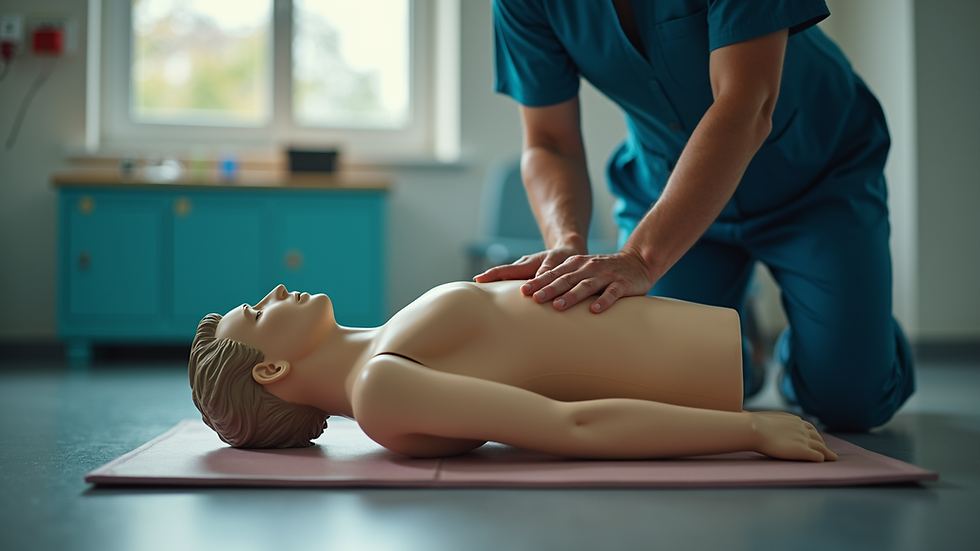
CPR is one of the most critical skills for any healthcare provider. It is a lifesaving technique used in emergencies when someone's heartbeat or breathing has stopped.
Key Components of CPR:
Chest Compressions: Push hard and fast in the center of the chest at a rate of 100 to 120 compressions per minute.
Rescue Breaths: After every 30 compressions, provide 2 rescue breaths if trained to do so.
Defibrillation: Use an Automated External Defibrillator (AED) as soon as available to restore a normal heart rhythm.
First Aid Skills
Basic first aid knowledge is essential for all healthcare professionals. This includes the ability to manage minor injuries and recognize when a situation requires advanced medical intervention.
Important First Aid Techniques:
Wound Care: Clean and dress wounds to prevent infection.
Burn Treatment: Cool burns with running water and cover them with a sterile dressing.
Choking Relief: Use the Heimlich maneuver for adults and modified techniques for infants.
Basic Life Support (BLS)
BLS is a set of life-saving actions that can be performed on patients who are unresponsive or not breathing. It includes CPR and the use of an AED.
BLS Steps:
Assess the Scene: Ensure safety before approaching the patient.
Check Responsiveness: Tap the patient and shout to see if they respond.
Call for Help: Activate emergency services if the patient is unresponsive.
Begin CPR: Start with chest compressions and rescue breaths as needed.
Advanced Cardiac Life Support (ACLS)
ACLS is a more advanced set of protocols for healthcare providers dealing with cardiac emergencies. It builds on BLS and includes additional interventions.
Key ACLS Components:
Airway Management: Ensure the airway is clear and use advanced techniques if necessary.
Medication Administration: Administer medications like epinephrine or amiodarone as indicated.
Post-Cardiac Arrest Care: Focus on stabilizing the patient after resuscitation.
Trauma Management
Understanding how to manage trauma cases is crucial for healthcare professionals, especially in emergency settings.
Trauma Management Techniques:
Assessment: Perform a rapid assessment to identify life-threatening injuries.
Control Bleeding: Apply direct pressure to wounds and use tourniquets if necessary.
Immobilization: Stabilize fractures and spinal injuries to prevent further harm.
Communication Skills in Emergencies
Effective communication is vital in healthcare settings, especially during emergencies. Clear communication can save lives.
Key Communication Strategies:
Use Clear Language: Avoid jargon and speak plainly to ensure everyone understands.
Active Listening: Pay attention to patient concerns and respond appropriately.
Team Coordination: Work collaboratively with other healthcare professionals to ensure a unified response.
Emotional Resilience and Stress Management
Healthcare professionals often face high-stress situations. Developing emotional resilience is essential for maintaining performance during crises.
Techniques for Building Resilience:
Mindfulness Practices: Engage in mindfulness or meditation to reduce stress.
Debriefing Sessions: Participate in debriefing after critical incidents to process emotions and learn from experiences.
Support Systems: Build a network of colleagues for emotional support and sharing experiences.
Continuous Education and Training
The healthcare field is constantly evolving, and continuous education is crucial for staying updated on the latest life-saving techniques.
Ways to Pursue Continuous Learning:
Certifications: Obtain certifications in CPR, BLS, ACLS, and other relevant areas.
Workshops and Seminars: Attend workshops to practice skills and learn new techniques.
Online Courses: Utilize online platforms for flexible learning opportunities.
Conclusion
Mastering life-saving skills is essential for healthcare professionals. These skills not only enhance patient care but also empower professionals to act confidently in emergencies. By focusing on continuous education, effective communication, and emotional resilience, healthcare providers can ensure they are prepared for any situation.
As you reflect on your own skills, consider what areas you can improve or expand upon. Take the next step in your professional development by seeking out training opportunities and committing to lifelong learning. Your patients depend on it.

Comments