Expert Tips for Effective Resuscitation Training
- Eve Flockton
- Apr 27
- 3 min read

Resuscitation training is a critical skill that can save lives in emergencies. Whether you are a healthcare professional or a layperson, knowing how to perform CPR and use an AED can make a significant difference in a life-threatening situation. This blog post will provide expert tips for effective resuscitation training, ensuring that you are well-prepared to respond when it matters most.
Understanding the Importance of Resuscitation Training
Resuscitation training is not just for medical professionals. In fact, studies show that bystanders who perform CPR can double or even triple a victim's chance of survival. This training equips individuals with the knowledge and skills necessary to act quickly and effectively in emergencies.
The Statistics Speak Volumes
Survival Rates: According to the American Heart Association, immediate CPR can increase survival rates from cardiac arrest by up to 300%.
Bystander Intervention: Nearly 70% of cardiac arrests occur at home, highlighting the need for family members to be trained in resuscitation techniques.
These statistics underscore the importance of resuscitation training for everyone, not just healthcare providers.
Key Components of Effective Resuscitation Training
To ensure that your resuscitation training is effective, focus on these key components:
1. Hands-On Practice
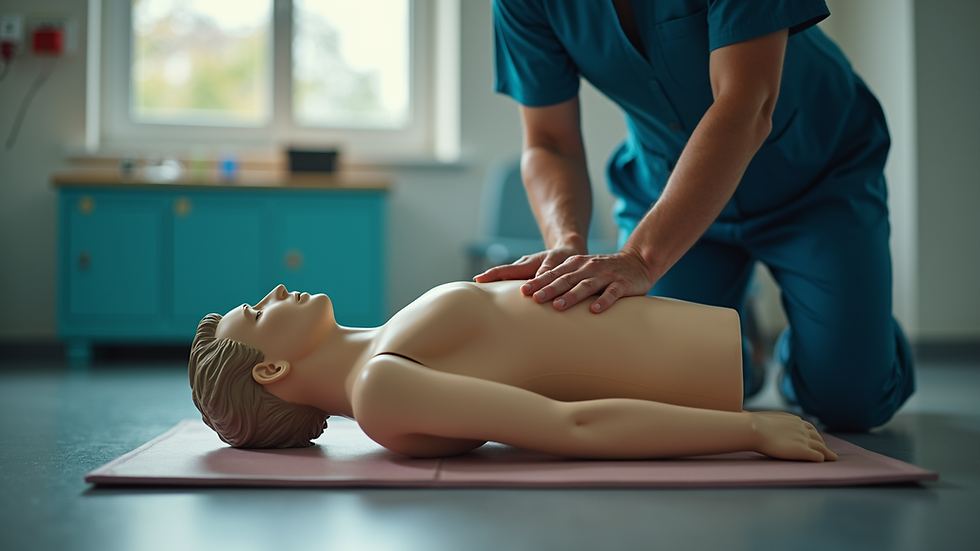
The best way to learn resuscitation techniques is through hands-on practice. This allows trainees to become familiar with the physical aspects of CPR and AED use.
Use of Mannequins: Training on mannequins helps participants practice chest compressions and rescue breaths.
Simulated Scenarios: Engage in realistic scenarios to build confidence and decision-making skills under pressure.
2. Understanding the Steps of CPR
Knowing the steps of CPR is crucial. The American Heart Association outlines the following steps:
Call for Help: Ensure someone has called emergency services.
Check Responsiveness: Tap the person and shout to see if they respond.
Start Chest Compressions: Push hard and fast in the center of the chest at a rate of 100 to 120 compressions per minute.
Provide Rescue Breaths: If trained, give two rescue breaths after every 30 compressions.
3. AED Familiarization
Automated External Defibrillators (AEDs) are essential tools in cardiac emergencies. Familiarize yourself with their use:
Location Awareness: Know where AEDs are located in your community or workplace.
Step-by-Step Instructions: AEDs provide voice prompts, making them user-friendly even for those with minimal training.
Choosing the Right Training Program
Selecting a quality training program is vital for effective learning. Here are some tips for choosing the right one:
1. Accreditation
Ensure the training program is accredited by recognized organizations, such as the American Heart Association or the Red Cross. This guarantees that the curriculum meets established standards.
2. Instructor Qualifications
Look for programs led by certified instructors with real-world experience in emergency response. Their expertise can enhance the learning experience.
3. Course Content
Review the course content to ensure it covers all essential topics, including:
Adult and pediatric CPR
AED usage
Choking relief techniques
Incorporating Technology in Training
Technology can enhance resuscitation training in various ways:
1. Online Learning Modules
Many organizations offer online courses that allow participants to learn at their own pace. These modules often include interactive elements, such as quizzes and videos.
2. Mobile Apps
Several mobile applications provide CPR instructions and AED locations. These can be invaluable resources during emergencies.
3. Virtual Reality Training
Emerging technologies, such as virtual reality, offer immersive training experiences that simulate real-life scenarios. This can improve retention and confidence.
The Role of Regular Refreshers
Resuscitation skills can fade over time. Regular refresher courses are essential to keep skills sharp and knowledge up to date. Consider the following:
Annual Training: Many organizations recommend annual CPR training to maintain proficiency.
Skill Assessments: Periodic assessments can help identify areas for improvement.
Building a Culture of Preparedness
Creating a culture of preparedness within your community or organization can significantly impact emergency response. Here are some strategies:
1. Encourage Training Participation
Promote resuscitation training among friends, family, and colleagues. Share the importance of being prepared for emergencies.
2. Organize Community Events
Host community events focused on resuscitation training. This can include free workshops or demonstrations to raise awareness.
3. Share Success Stories
Highlight stories of individuals who successfully performed CPR or used an AED. These narratives can inspire others to get trained.
Conclusion
Effective resuscitation training is vital for saving lives in emergencies. By focusing on hands-on practice, understanding CPR steps, familiarizing with AEDs, and choosing quality training programs, you can be well-prepared to respond when it matters most. Remember, regular refreshers and building a culture of preparedness can further enhance your skills and confidence. Take the initiative to get trained and empower others to do the same. Your actions could make all the difference in a life-threatening situation.


Comments